Self-Healing Film Explained: How It Works and What It Can (and Can’t) Fix
Self-healing is one of PPF’s most impressive features—but it is often misunderstood.
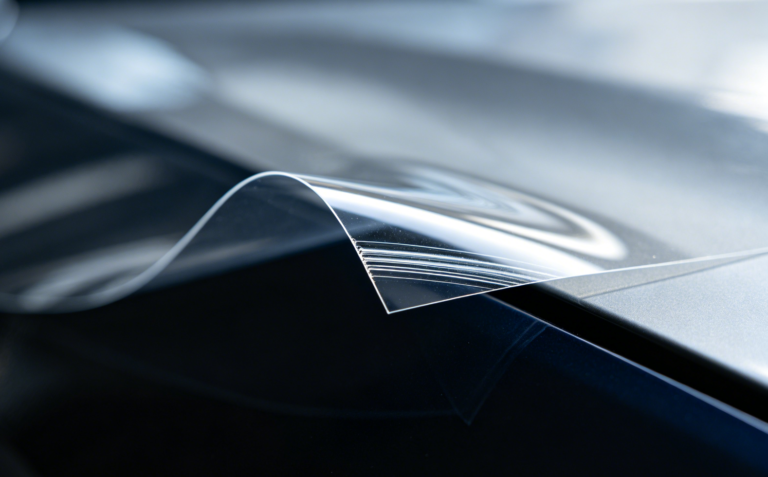
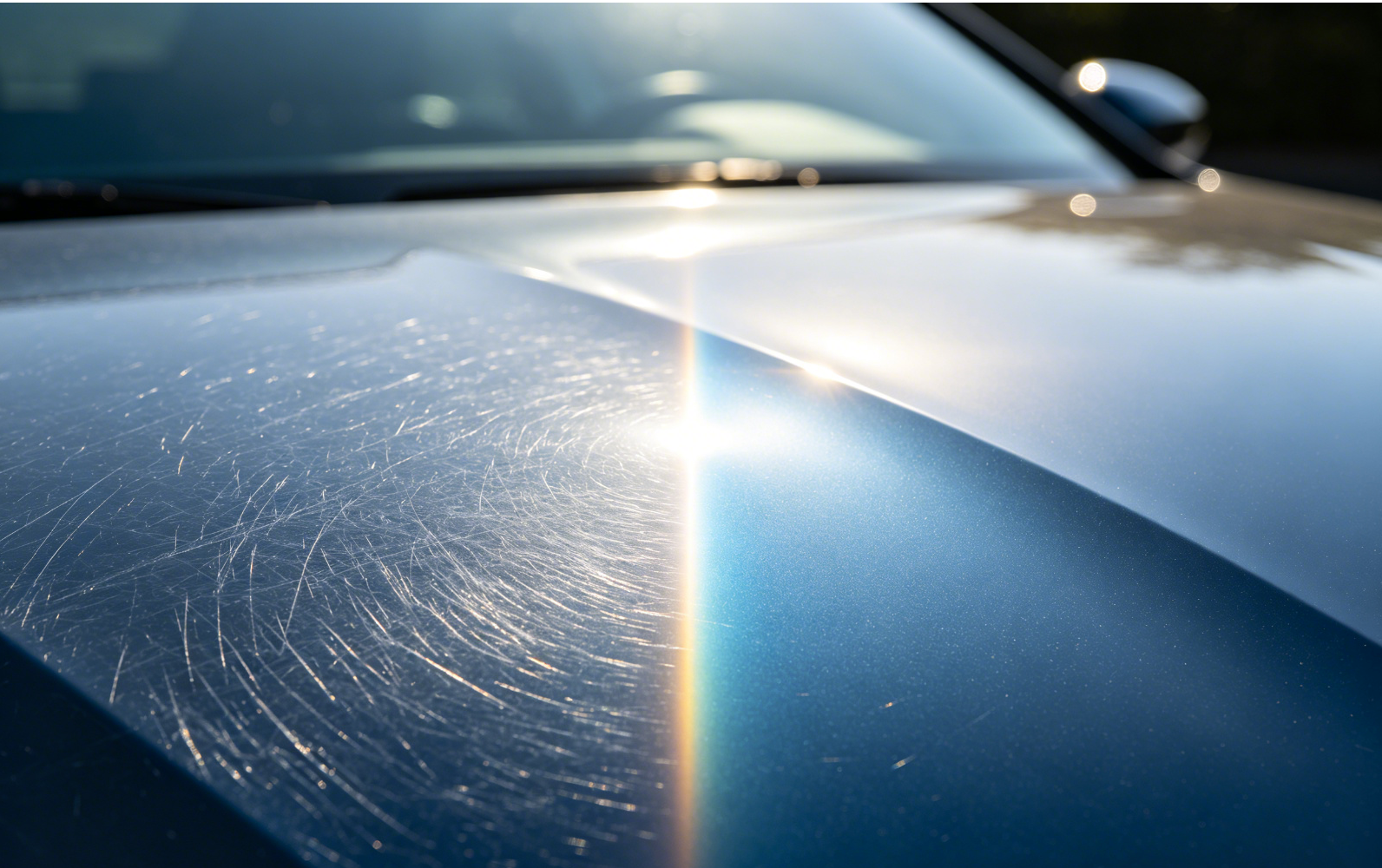
The effect comes from the film’s topcoat, a layer of elastic polymer with a “memory.” When light scratches, swirl marks, or brush marks occur, they create microscopic deformations in this top layer. When heat is applied—from sunlight, a warm day, or hot water—the polymer chains relax and rebound to their original smooth state, making the scratches vanish.
What self-healing can fix: fine swirl marks from improper washing, light fingernail scratches on door handles, brush from automatic car washes, and hairline scuffs. These marks typically disappear within minutes under direct sun.
What it cannot fix: deep cuts that slice through the film, gouges that reach the paint, burns, or damage from collisions. Self-healing is a feature of the topcoat, not an indestructibility guarantee.
Zeno’s self-healing topcoat is engineered to recover repeatedly without losing gloss or clarity. It works across a wide temperature range and does not require special maintenance. The key is realistic expectations: treat the film as protection, not invincibility, and it will keep your paint looking fresh for years.