TPU vs. PVC: Choosing the Right PPF Material
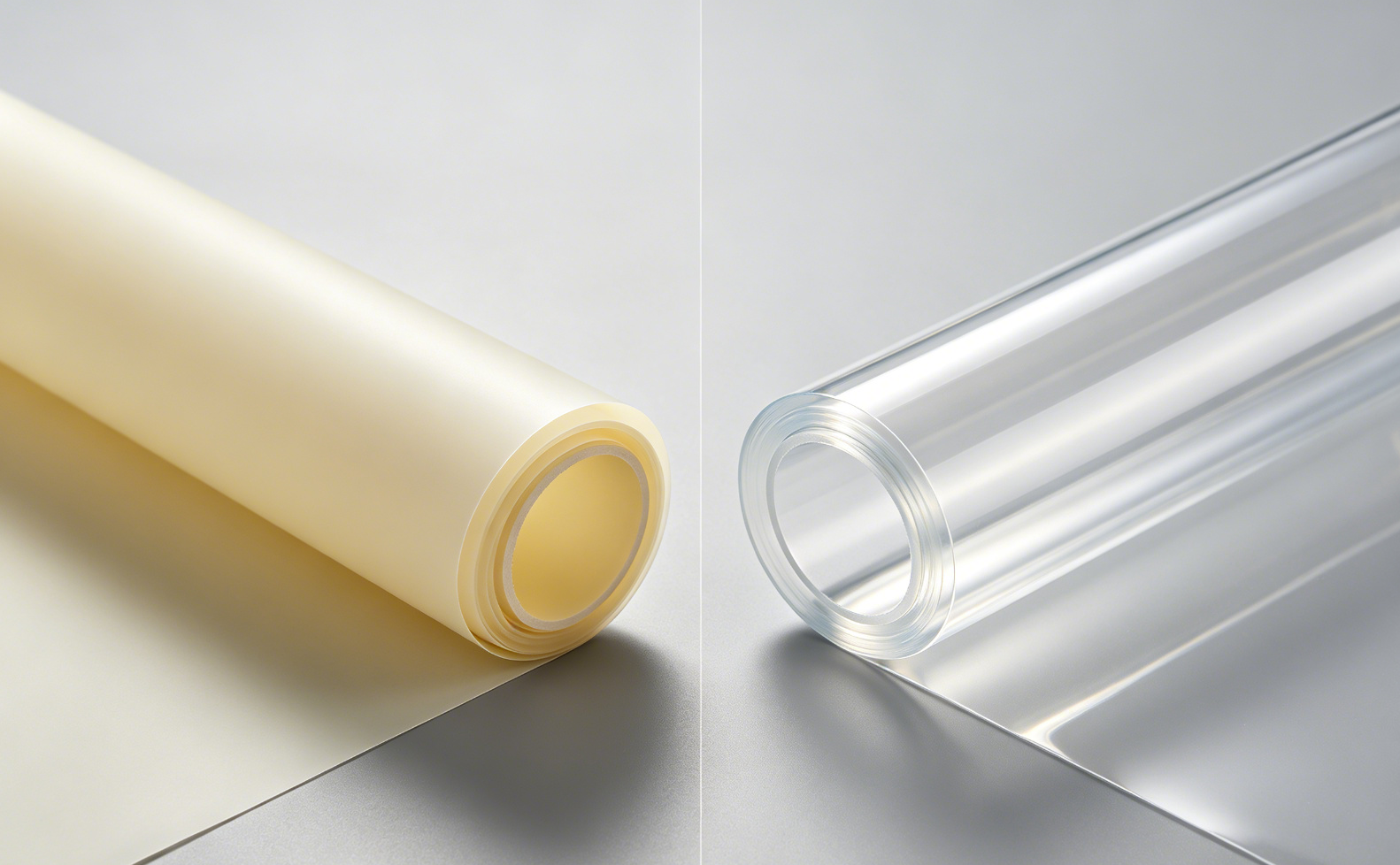
Not all protective films are created equal. The two most common base materials are PVC (polyvinyl chloride) and TPU (thermoplastic urethane), and the difference in performance is significant.
PVC films are older, stiffer, and more affordable. They were the first consumer-grade PPF options, but they have known limitations: they yellow over time due to UV exposure, become brittle in cold weather, and offer limited self-healing capability. PVC is generally considered an entry-level or temporary solution.
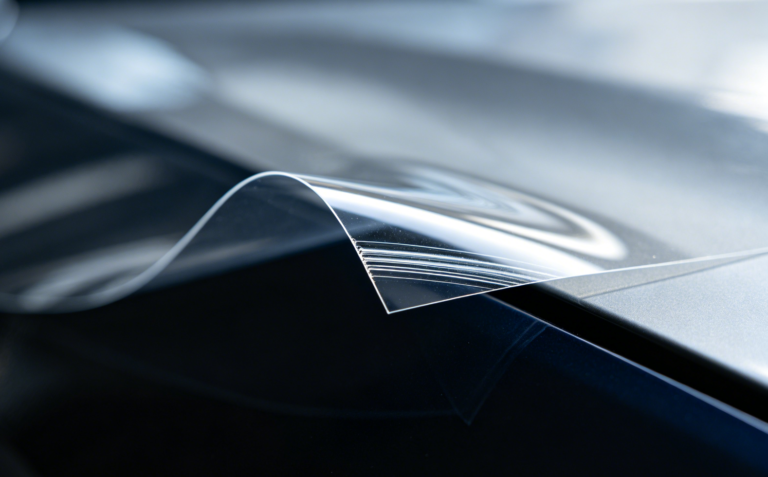
TPU is the material modern premium PPF is built on. It is highly flexible, resilient, and naturally resistant to yellowing. TPU films can stretch around complex body panels, recover from minor scratches, and maintain optical clarity for years. Zeno’s PPF lineup uses advanced TPU formulations engineered for long-term performance across diverse climates.
When choosing a film, ask about the base material. A lower upfront cost on PVC may translate to earlier replacement, yellowing, or removal problems. TPU requires a higher initial investment but delivers better durability, clarity, and long-term value—especially on daily-driven or high-value vehicles.