PPF 101: What Is Paint Protection Film and How Does It Work?
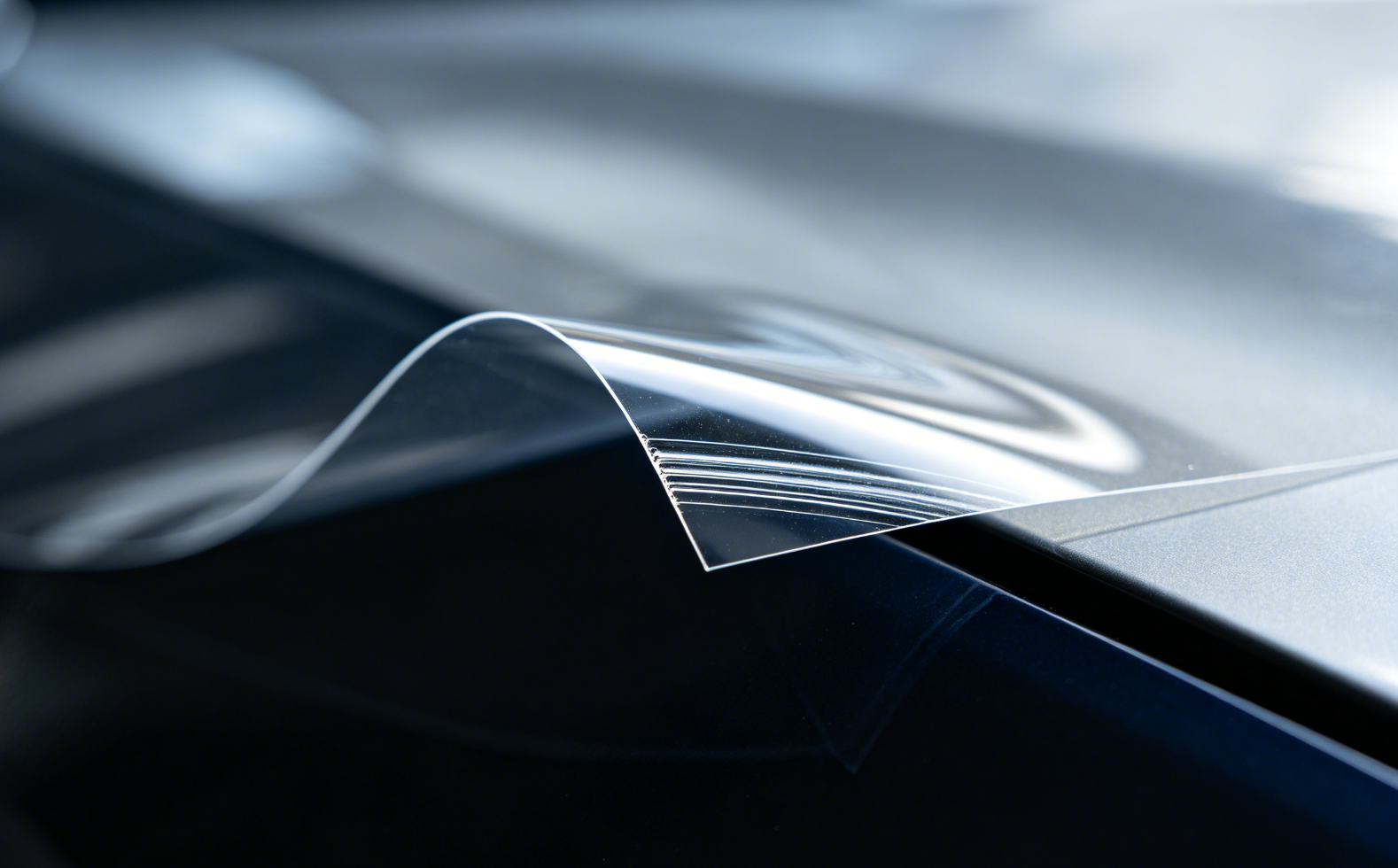
Paint protection film is a transparent, multi-layered urethane film applied directly to a vehicle’s painted surfaces. Typically between 150 and 200 microns thick, it acts as a sacrificial barrier—taking the damage so your factory paint doesn’t.
A quality PPF is built in layers. The topcoat provides gloss, stain resistance, and self-healing properties. The urethane core absorbs impacts, stretching and flexing under stone chips and minor abrasions. The bottom layer is a pressure-sensitive adhesive engineered to bond firmly to paint yet release cleanly when removed.
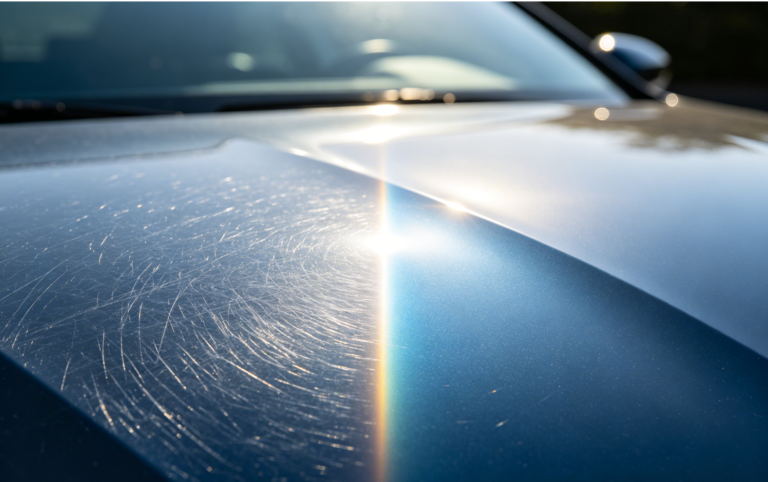
When a rock hits the film, the urethane layer stretches rather than cracking, distributing the impact energy. The topcoat’s elastic memory allows light scratches to disappear when warmed by sunlight or hot water. Because the film is optically clear, the original color and finish of the car remain fully visible.
PPF is not a coating or a wax—it is a permanent (or semi-permanent) protective layer installed by trained professionals. It does not prevent dents from collisions, but it dramatically reduces chips, swirls, bird dropping etching, and road-grime damage that accumulate over years of driving.