The History of Paint Protection Film: From Military Helicopters to Daily Drivers
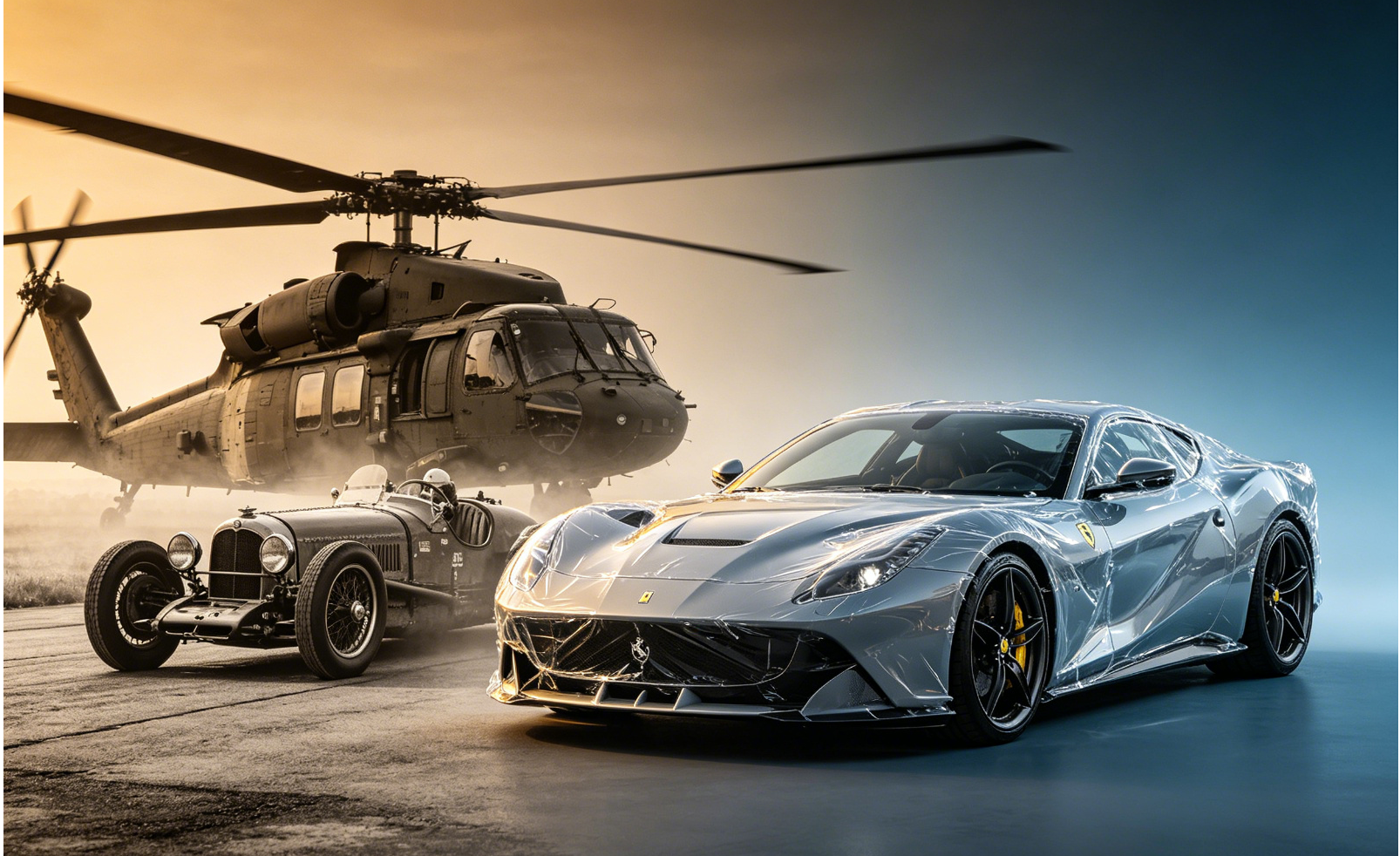
Paint protection film (PPF) is often thought of as a recent luxury upgrade, but its roots stretch back to the 1960s. Originally developed for the U.S. military, early polyurethane films were applied to helicopter rotor blades and fighter jet leading edges to protect against sand, debris, and high-speed impacts. These aircraft needed a lightweight, self-healing shield that could perform under extreme conditions—and that demand produced the very first generation of protective films.
By the 1980s and 1990s, the technology migrated to motorsport. Race teams began applying clear film to the front of Formula 1 and NASCAR vehicles to guard against stone chips during high-speed competition. The film performed so well that luxury car owners and aftermarket shops soon asked for consumer-grade versions.
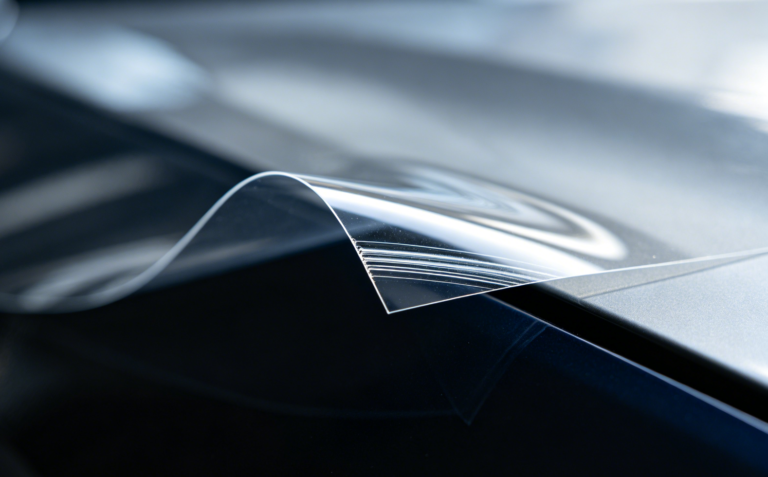
Fast forward to today. Modern PPF has evolved from thick, yellowing PVC films into optically clear TPU (thermoplastic urethane) with self-healing topcoats. What started as a military necessity is now a standard upgrade for everything from daily commuters to supercars. The core idea hasn’t changed: protect the paint without changing how the car looks. Zeno continues that tradition by engineering films that meet the same real-world performance demands—whether the road is a racetrack or a daily commute.